

Heavy-duty tow tractors are used across aviation, marine, and industrial environments. Durable equipment platforms like these are ideal candidates for electric conversion.
Ground support equipment (GSE) fleets represent a significant long-term investment for airports, airlines, and industrial facilities. Many operations rely on diesel-powered tow tractors and service vehicles that were built to last decades.
In the modern day, airports and ground handling operations around the world are increasingly focused on reducing emissions while controlling equipment costs. Electrification of ground support equipment (GSE) is often part of this strategy, but replacing an entire fleet of vehicles can require significant capital investment.
Electric conversion kits provide an alternative approach. By converting existing equipment from internal combustion engines to electric power, operators can extend the useful life of their current assets while moving toward more sustainable ramp operations.
For many organizations, this approach offers a practical path to modernization without the expense of full fleet replacement.
What an Electric Conversion Kit Replaces in GSE
Electric conversion kits typically replace the primary propulsion components of a diesel-powered vehicle.
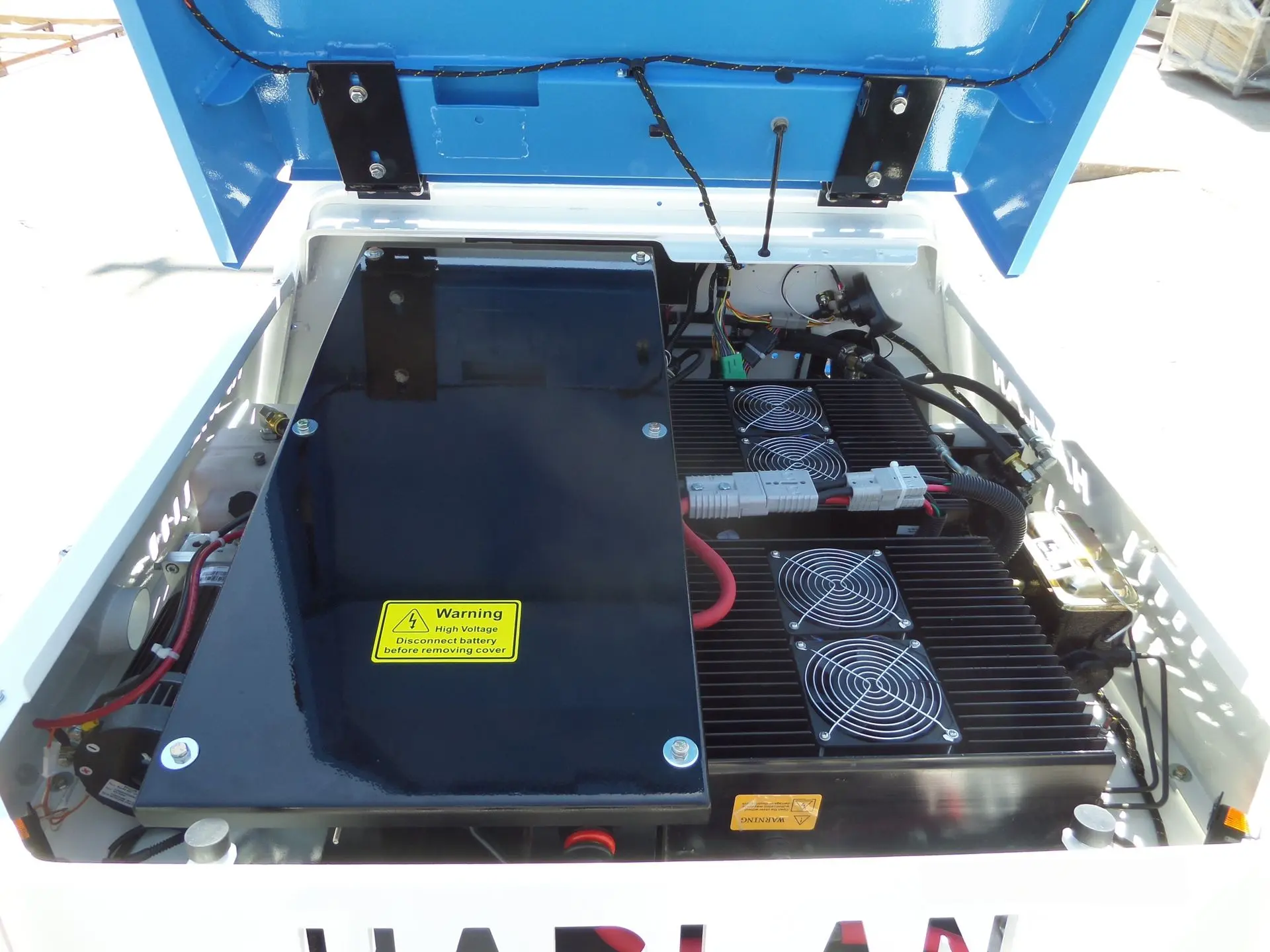
Key components include:
- Electric traction motor
- Motor controller
- Battery system (often lithium-ion)
- Electrical integration hardware
- Control interfaces and safety systems
Once installed, the vehicle operates as a fully electric unit while retaining its original frame, structure, and towing capability.
This approach allows operators to keep the heavy-duty engineering that made the machine valuable in the first place.
Organizations looking to modernize existing equipment can explore electric conversion kits for ground support equipment to better understand how these systems integrate with existing tow tractor platforms.
Extending the Lifespan
of Existing Equipment
Ground support equipment is typically built to withstand years of demanding service. Tow tractors, baggage tractors, and other ramp vehicles often remain structurally sound long after their engines begin to show signs of wear.
Electric conversion kits allow operators to retain these durable platforms while replacing aging engine components with modern electric systems. Rather than retiring equipment prematurely, organizations can rebuild and modernize vehicles already in service.
This approach effectively extends the lifecycle of existing equipment, allowing fleets to continue operating reliable vehicles while updating the technology that powers them.
Reducing Maintenance Requirements
One of the most immediate benefits of electric power systems is the reduction in routine maintenance.
Traditional internal combustion engines require ongoing service tasks such as:
- Oil changes
- Fuel system maintenance
- Exhaust system repairs
- Cooling system upkeep
Electric drivetrains eliminate many of these requirements. With fewer moving parts and simplified mechanical systems, converted vehicles typically require less frequent maintenance and fewer replacement components.
For operations running equipment daily across multiple shifts, these reductions in maintenance can translate into meaningful cost savings and less downtime.
Supporting Airport
Sustainability Goals
Airports and airlines are under increasing pressure to reduce emissions across ground operations. Electrifying ramp vehicles is one of the most direct ways to lower carbon output from daily equipment use.
Electric conversion kits help organizations transition toward cleaner ground operations by replacing gasoline or diesel engines with electric power systems. When powered by grid electricity or renewable energy sources, converted vehicles can significantly reduce emissions associated with ramp activities.
This approach allows operators to support sustainability initiatives while continuing to use equipment already integrated into their fleet.
Managing Capital Investment
More Strategically
Replacing an entire fleet of GSE at once can require substantial capital investment. Electric conversion kits offer a more gradual and flexible alternative.
By converting vehicles individually or in phases, organizations can modernize their fleets over time. This allows managers to prioritize equipment based on age, maintenance costs, or operational demand.
A phased approach to electrification helps balance financial planning with sustainability goals, giving organizations more control over the pace of fleet modernization.
Improving Operational Efficiency
Electric drivetrains provide several operational advantages compared to traditional combustion engines. Many modern electric tow tractors are designed to deliver instant torque, smoother acceleration, and quieter operation compared to diesel-powered units.
Electric motors deliver instant torque, allowing vehicles to accelerate smoothly from a standstill—an important benefit when maneuvering equipment in tight ramp environments. Electric systems also operate more quietly than internal combustion engines, which can improve working conditions for ramp personnel.
In addition, modern electric systems often incorporate regenerative braking and advanced control electronics that improve energy efficiency during daily operations.
These performance improvements help ensure that converted vehicles continue to meet the operational demands of busy airport environments.
When Does Electric Conversion Make the Most Sense?
Electric conversion is not always the right solution for every piece of equipment, but it can be especially beneficial under certain conditions.
Many ground support vehicles are built with durable frames and structural components designed to last for decades. When the engine or drivetrain begins to show signs of wear, replacing the entire vehicle may not be necessary.
Electric conversion often makes the most sense when:
- The equipment frame and chassis remain structurally sound
- The diesel engine is approaching the end of its service life
- Maintenance costs are increasing
- Organizations are working toward sustainability or emissions goals
- Fleet replacement budgets are limited
In these situations, converting existing equipment to electric power can provide a practical way to extend equipment life while improving efficiency and reducing long-term operating costs.
A Practical Path Toward
Fleet Electrification
For many ground handling organizations, the transition to electric equipment is not simply a question of technology—it is a question of timing and investment.
Electric conversion kits offer a practical middle ground between maintaining aging engine-powered equipment and purchasing entirely new vehicles. By upgrading existing platforms with modern electric drivetrains, organizations can extend equipment life, reduce maintenance requirements, and support sustainability initiatives.
As airports continue exploring ways to modernize ground operations, conversion technology provides a flexible solution that aligns operational efficiency with environmental responsibility.
How Electric Conversion Kits Extend the Life of Ground Support Equipment (GSE)