

As airports, ground handlers, and cargo operators evaluate fleet upgrades, one question continues to surface: should you invest in electric or diesel tow tractors?
The answer isn’t one-size-fits-all.
Both electric and diesel ground support equipment (GSE) offer distinct advantages depending on your infrastructure, duty cycle, sustainability goals, and long-term cost strategy. Understanding the tradeoffs between the two can help you make a decision that supports operational efficiency today — and scalability tomorrow.
Below, we break down the key differences to help you determine which solution is right for your operation.
Upfront Investment: Initial Cost Considerations
For many operators, acquisition cost is the starting point.
Diesel Tow Tractors
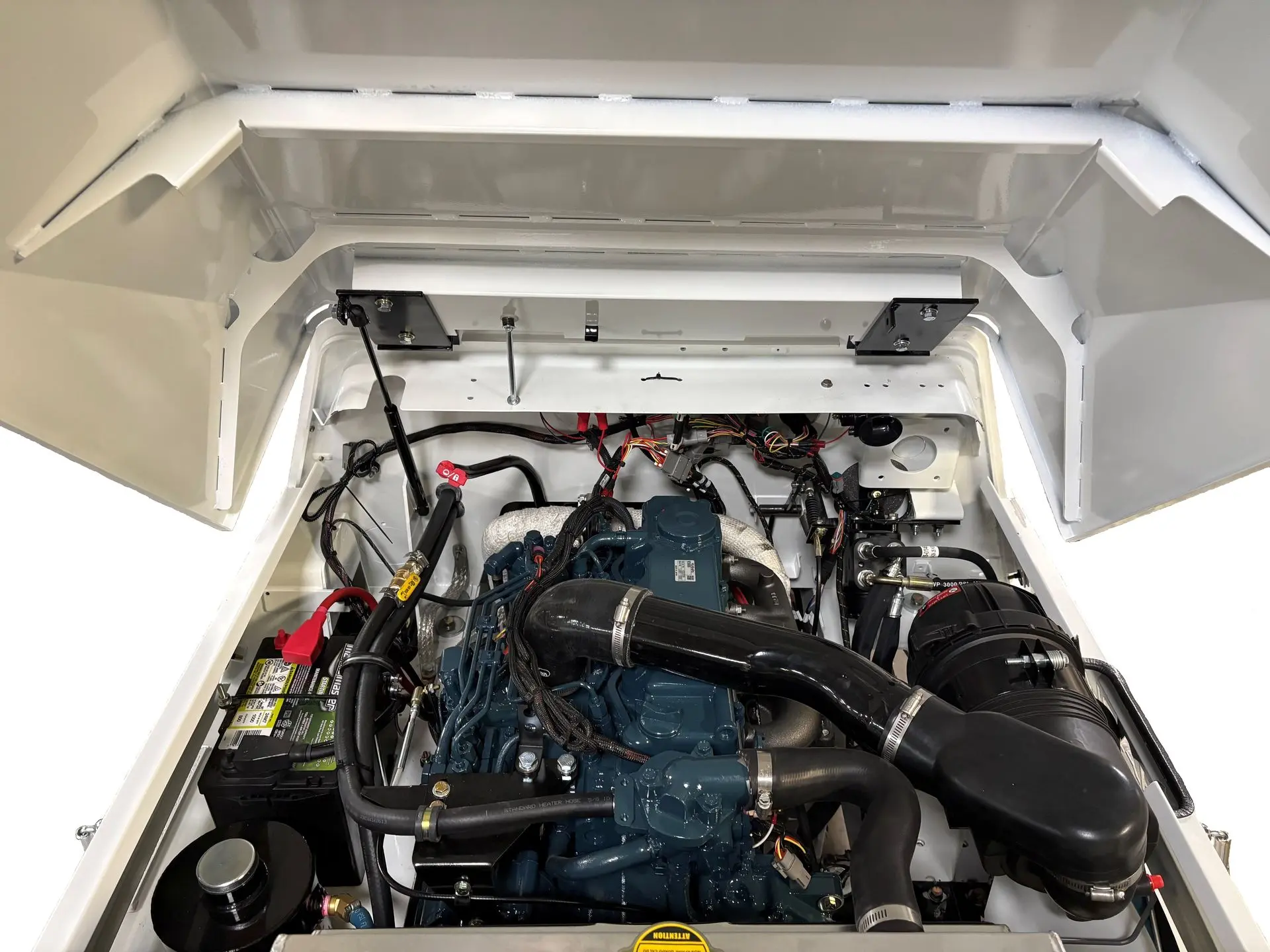
Diesel tow tractors traditionally carry a lower upfront purchase price. They also require no charging infrastructure, which makes deployment relatively simple — especially in locations where electrical upgrades may be limited or costly.
Because diesel technology has been widely used for decades, many maintenance teams are already familiar with servicing internal combustion engines.
Electric Tow Tractors
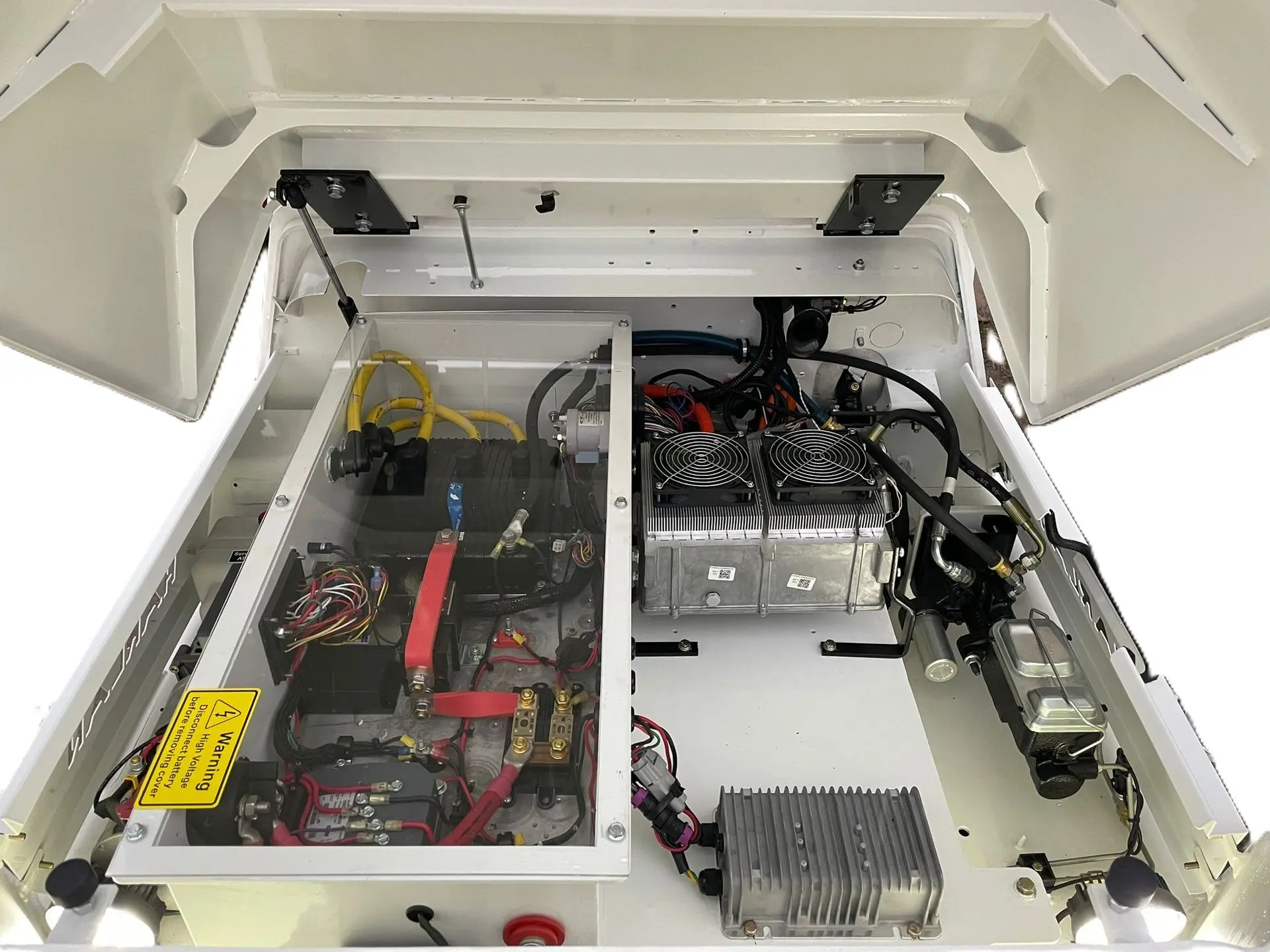
Electric tow tractors typically require a higher initial investment. In addition to the vehicle itself, operators must consider charging infrastructure, electrical capacity, and potential facility upgrades.
Battery replacement planning is another long-term factor to account for. While battery systems are highly durable, they represent a major component of lifecycle cost analysis.
However, upfront cost alone does not tell the full story.
Total Cost of Ownership: Operating Expenses Over Time
When evaluating total cost of ownership (TCO) for ground support equipment, long-term operating expenses often shift the equation.
Fuel vs. Electricity Costs
Diesel prices fluctuate with global energy markets, creating variability in operating budgets. Electric tow tractors, by contrast, offer more predictable energy costs, particularly in regions with stable electricity pricing.
Over a 5–10 year lifecycle, fuel savings can significantly offset higher initial acquisition costs for electric models.
Maintenance Requirements
Electric tow tractors have fewer moving parts than diesel equipment. There are:
- No oil changes
- No exhaust systems
- No complex emissions control components
- Fewer vibration-related wear issues
Diesel tractors, while robust, require ongoing engine maintenance, emissions system servicing, fluid changes, and additional mechanical upkeep.
In many operations, reduced maintenance translates directly into lower downtime and lower service costs.
Performance and Duty Cycle Demands
Performance requirements vary widely depending on the application.
Torque and Towing Power
Electric motors deliver instant torque, which can be advantageous for towing heavy loads from a standstill. This responsiveness is particularly beneficial in tight ramp environments where precision control matters.
Diesel engines provide consistent power output and can be well-suited for continuous heavy-duty applications.
Shift Length and Utilization
Electric tractors are ideal for operations with predictable shifts and scheduled charging windows. Advances in battery capacity have extended run times considerably, making electric viable for many full-shift applications.
Diesel equipment may offer more flexibility in high-utilization or multi-shift operations where refueling is faster than recharging and downtime must be minimized.
Understanding your duty cycle — including average towing weight, hours of operation, and downtime windows — is critical when choosing between electric and diesel.
Behind the scenes, these performance requirements directly influence engineering decisions related to frame strength, drivetrain configuration, and overall structural design.

Engineering analysis and structural design play a key role in tow tractor performance and long-term durability.
Environmental and Regulatory Considerations
Airports worldwide are under increasing pressure to reduce emissions and improve sustainability metrics.
Emissions Reduction
Electric ground support equipment produces zero tailpipe emissions. For airports implementing carbon reduction initiatives or complying with emissions regulations, electrification can support broader sustainability goals.
Diesel equipment, while continually improving in efficiency and emissions control, still generates exhaust emissions that may be subject to regulatory oversight.
Noise Reduction
Electric tow tractors operate significantly quieter than diesel counterparts. This can improve ramp communication, reduce noise exposure for personnel, and support airports with noise-sensitive environments.
Indoor and Hangar Operations
Electric equipment can be particularly advantageous for indoor or enclosed operations where ventilation and air quality are concerns.
For organizations prioritizing environmental compliance or public sustainability commitments, electrification may align strongly with long-term strategy.
Infrastructure Requirements
One of the most practical considerations in fleet transition is infrastructure.
Electric Infrastructure Needs
Electric fleets require:
- Charging stations
- Sufficient electrical capacity
- Load management planning
- Physical space allocation
Fleet electrification is most successful when paired with thoughtful infrastructure planning and long-term scalability analysis.
Diesel Infrastructure Needs
Diesel fleets require:
- Fuel storage or on-site fueling access
- Compliance with fuel handling regulations
- Ongoing fuel supply logistics
Both systems require infrastructure — the difference lies in the type of investment and long-term operational impact.
Reliability and Lifecycle Planning
Reliability is a critical factor in ground handling environments where downtime directly affects aircraft turnaround times.
Electric systems reduce mechanical complexity and eliminate many traditional engine-related failure points. However, battery lifecycle management must be part of long-term planning.
Diesel systems are proven and familiar, but contain more wear components that may require service over time.
The right choice often depends on internal maintenance capability, technician expertise, and lifecycle budgeting strategy.
When Electric May Be
the Right Choice
Electric tow tractors may be ideal if:
- Your airport has emissions reduction targets
- You operate predictable shifts with scheduled downtime
- You want to reduce long-term operating costs
- Noise reduction is a priority
- Indoor or enclosed operations are common
When Diesel May Be
the Right Choice
Diesel tow tractors may be better suited if:
- Infrastructure upgrades are limited
- Multi-shift continuous operation is required
- Rapid refueling flexibility is critical
- Initial capital expenditure must be minimized
The Industry Direction
Across the aviation sector, electrification is gaining momentum. Advances in battery technology, charging systems, and fleet management tools continue to improve the viability of electric ground support equipment.
However, the decision to transition should be based on operational data — not trends alone.
The most effective approach is a detailed evaluation of:
- Duty cycle requirements
- Infrastructure capability
- Total cost of ownership
- Sustainability objectives
- Long-term fleet strategy
Final Thoughts
There is no universal answer to the electric vs diesel tow tractor debate.
Both technologies offer advantages. The right solution depends on the unique demands of your operation and your long-term business goals.
For many operators, electrification represents a strategic investment in efficiency, sustainability, and future readiness. For others, diesel remains a practical and reliable solution.
A thoughtful, data-driven assessment will ensure your fleet supports performance today while positioning your operation for tomorrow.
If you're assessing your next fleet investment, you can speak with our team to review your operational needs and explore the most effective path forward.
Electric vs Diesel Tow Tractors: Which Is Right for Your Operation?