

As the aviation industry continues to evolve, sustainability has become a central focus for airports, airlines, and ground handling providers worldwide. Reducing emissions, improving efficiency, and modernizing infrastructure are no longer long-term goals—they are immediate priorities.
One of the most impactful ways organizations are addressing these challenges is through the electrification of ground support equipment (GSE). But meaningful progress in this area is rarely achieved in isolation. It is driven by collaboration across manufacturers, operators, and partners working together toward shared goals.
A Global Shift Toward Sustainable Ground Operations
Airports across North America, South America, and beyond are exploring ways to reduce the environmental impact of daily operations. Ground support equipment—used extensively across ramps and service areas—represents a major opportunity for improvement.
Electric GSE is helping organizations:
- Reduce emissions at the source
- Lower long-term operating costs
- Improve energy efficiency across fleets
- Support broader sustainability initiatives
This shift is not limited to a single region. It reflects a global movement toward cleaner and more efficient ground operations.
The Role of Collaboration
in Electrification
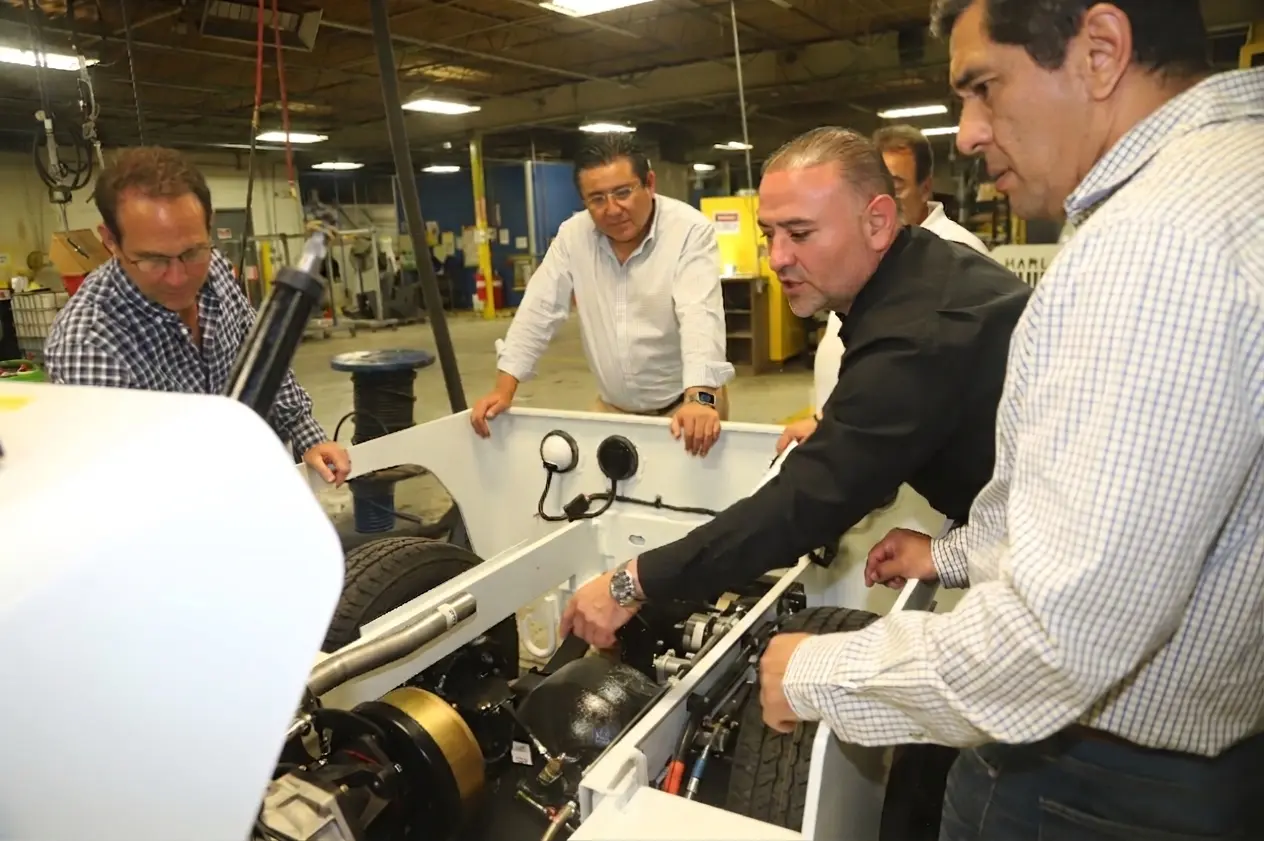
Transitioning to electric equipment involves more than simply adopting new technology. It requires coordination between multiple stakeholders, including:
- Equipment manufacturers
- Ground handling companies
- Airport authorities
- Technology providers
Each plays a role in ensuring that equipment performs reliably, integrates with existing operations, and meets the specific needs of each environment.
Through collaboration, organizations can better evaluate equipment, share operational insights, and implement solutions that are both practical and scalable.
Supporting Real-World Implementation
Electrification strategies must be grounded in real-world performance. Equipment must operate reliably under varying conditions, from high-traffic airport ramps to industrial environments with demanding workloads.
Collaborative efforts help ensure that:
- Equipment is properly matched to operational requirements
- Infrastructure considerations, such as charging, are addressed
- Performance expectations align with day-to-day usage
- Implementation is phased and manageable
By working together, partners can reduce uncertainty and accelerate adoption.
Strengthening Global Partnerships
International partnerships play an important role in expanding access to electric GSE solutions. By working with organizations across different regions, manufacturers and operators gain valuable insights into how equipment performs in diverse operational contexts.
These partnerships help:
- Adapt solutions to regional needs
- Share best practices across markets
- Identify new opportunities for innovation
- Support long-term customer success
As electrification continues to grow, global collaboration will remain a key driver of progress.
Innovation Through
Shared Experience
Innovation in ground support equipment is not driven by technology alone—it is shaped by real-world feedback from the people who use it every day.
Operators provide critical insights into:
- Performance expectations
- Maintenance challenges
- Operator experience
- Efficiency improvements
This feedback loop allows manufacturers to refine designs, improve systems, and deliver solutions that better meet the needs of modern operations.
Moving Toward a
More Sustainable Future

The transition to electric ground support equipment represents a meaningful step toward more sustainable aviation. While the technology continues to advance, the success of electrification depends on the strength of the partnerships behind it.
By working together—across industries, regions, and organizations—the aviation community is building a more efficient, reliable, and environmentally responsible future for ground operations.
Electrifying Ground Support: How Global Collaboration Drives Sustainable Aviation